
Feed, refresh, observe
Serve the normal meal, refresh water, check the pet’s general energy, and prepare walking or litter areas for the day.
Pawvella Everyday Care
Simple, practical ideas for feeding, walking, grooming, enrichment, rest, travel, and everyday home life—built around routines that are easier for pets and people to repeat.

The Everyday Rhythm
Pet care becomes easier to maintain when essential tasks are attached to familiar moments. A predictable rhythm can also make it easier to notice when appetite, activity, rest, or behavior changes from the usual pattern.
Serve the normal meal, refresh water, check the pet’s general energy, and prepare walking or litter areas for the day.
Use short walks, play, enrichment, or calm interaction to break up long inactive periods.
Repeat familiar feeding, cleanup, grooming, or play cues so the transition toward rest feels predictable.
Wash frequently used items, check wear on gear, refresh bedding, and rotate toys or enrichment when useful.
Notice the Normal
Every pet has its own normal pattern. Paying attention to ordinary feeding, movement, sleep, grooming, play, litter or bathroom habits, and social behavior gives useful context when something starts to look different.
Notice whether meals are approached and finished in the usual way rather than focusing only on a single isolated moment.
Pay attention to the pet’s normal enthusiasm for walking, climbing, jumping, playing, or moving around the home.
Look at where and when the pet normally settles so unusual restlessness or withdrawal is easier to recognize.
Changes in normal elimination, grooming, social interaction, or daily habits deserve attention when they persist or seem significant.

Dog Field Notes
A balanced day does not have to be complicated. Walking gear that fits, manageable activity, short training moments, access to water, and a familiar resting place can create a practical everyday structure.
Look for obvious wear, twisted straps, loose connections, or fit changes before heading outside.
Adjust distance and intensity to the pet, environment, weather, and the type of outing.
Brief, repeatable sessions can be easier to fit into everyday life than infrequent long sessions.
Offer water, a familiar resting area, and time to settle after more active periods.
Cat Home Advice
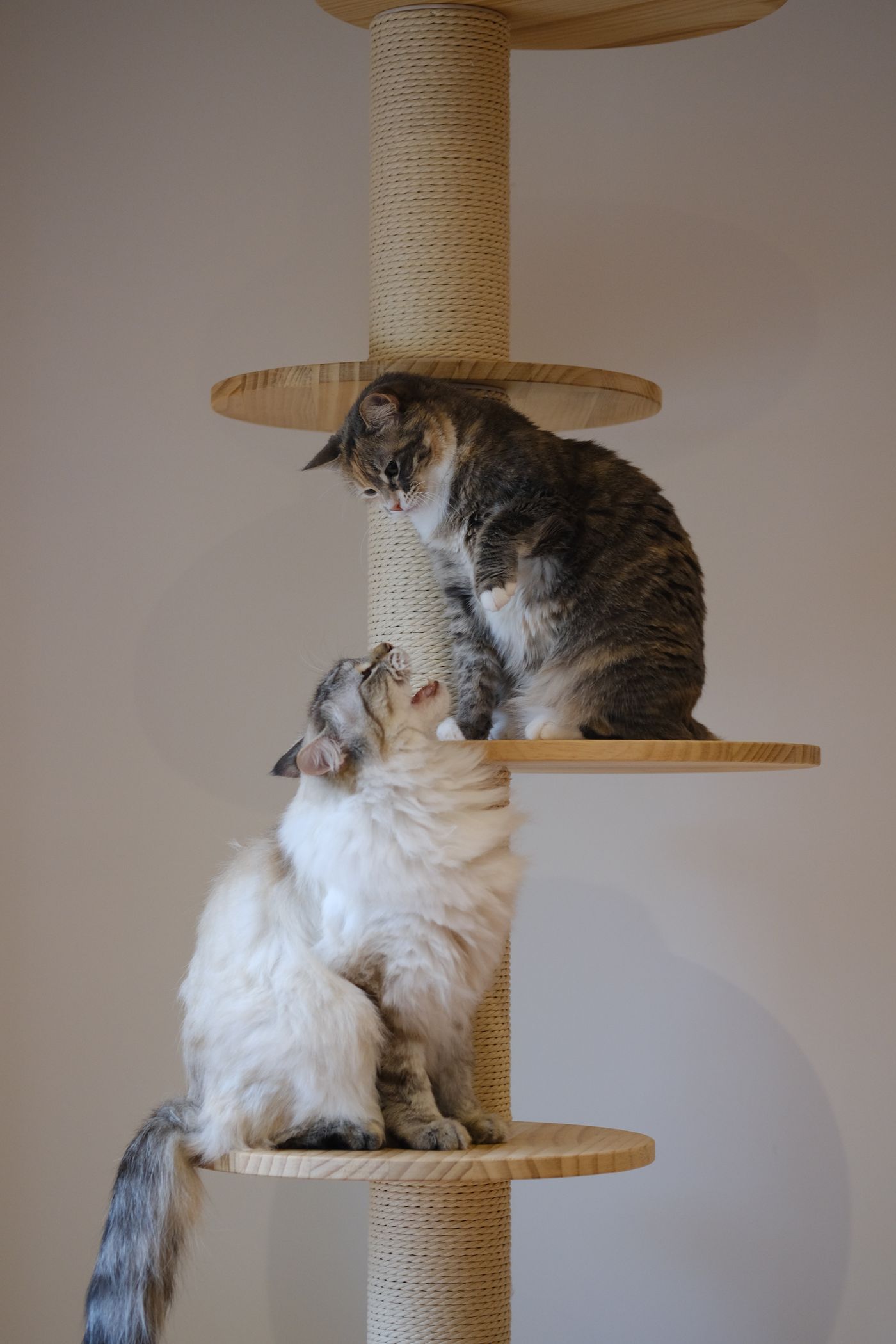
Cats often benefit from choice within the home. Multiple appropriate places to rest, observe, scratch, play, eat, drink, and use the litter area can make the environment feel more flexible without becoming cluttered.
Cat furniture and stable elevated areas can provide a different view of the room and another place to settle.
Scratchers are more useful when they are positioned near areas the cat already passes, rests, or wakes up.
Changing which toys are available can help keep familiar play objects interesting without adding more clutter.
Provide at least one area where the cat can rest with less traffic, handling, or household disturbance.
Feeding & Hydration
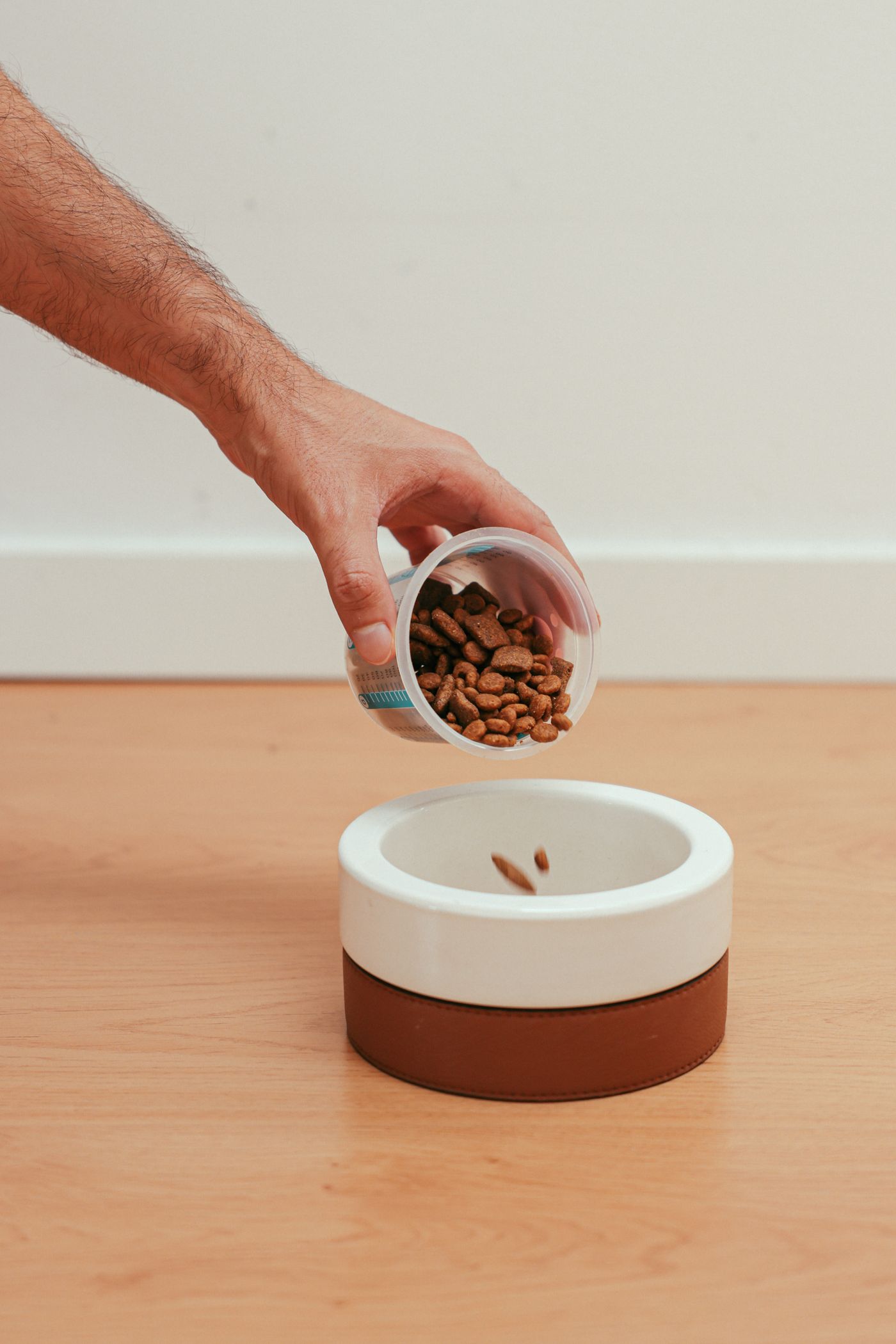
Feeding routines are easier to manage when bowls, feeders, food storage, treats, and cleaning supplies have a clear place. Consistency also makes it easier to notice unusual changes in appetite or drinking habits.
Grooming Advice
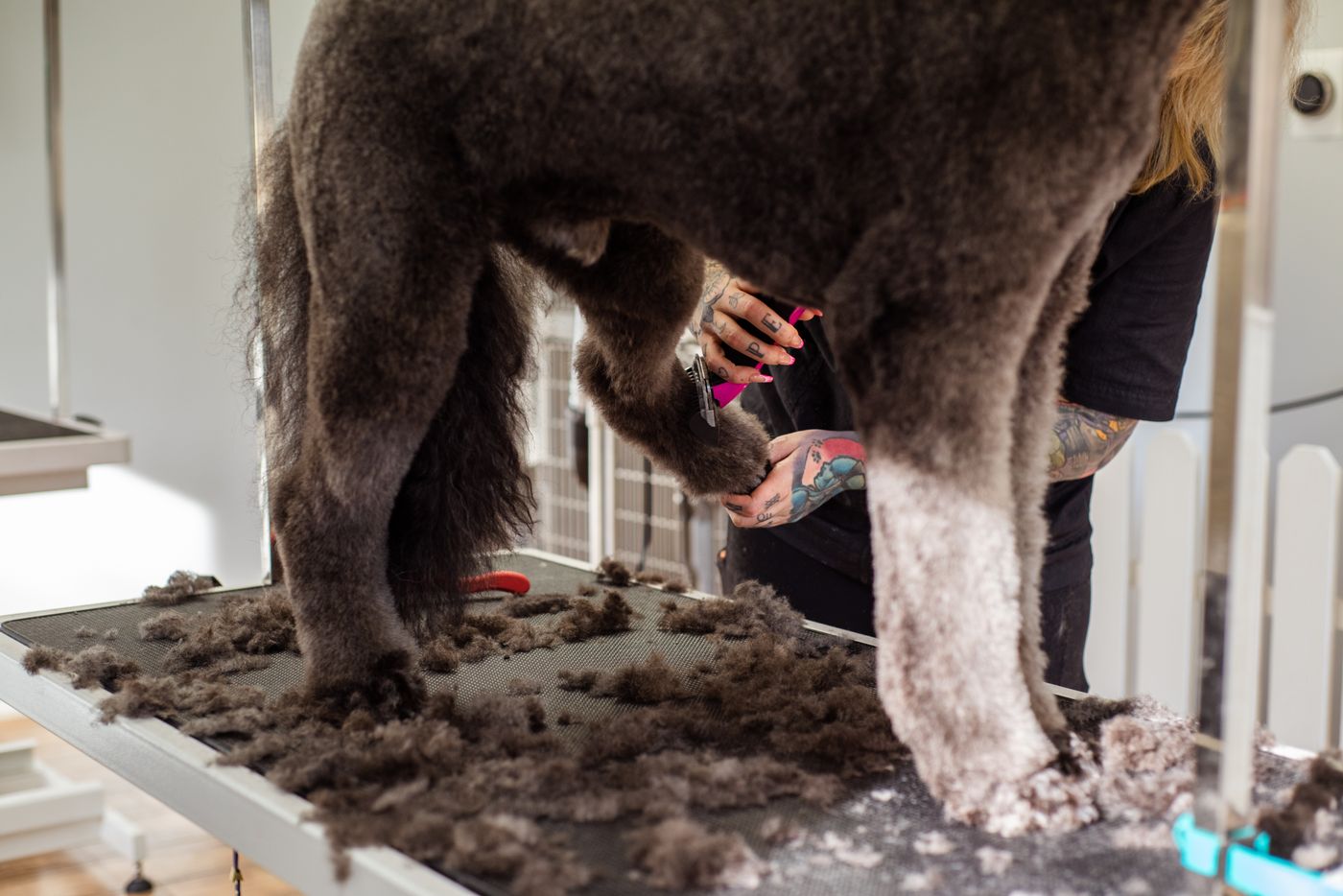
Regular, calm handling can make grooming feel more predictable. Keep the tools ready, choose a comfortable location, work in manageable sessions, and stop before the experience becomes unnecessarily stressful.
Home Reset
A well-organized pet area makes everyday care faster. The goal is not a perfect room—it is a space where feeding, rest, play, cleanup, and supplies are simple to access and maintain.
Keep at least one familiar bed, crate, perch, or resting area away from constant household traffic.
Keep a manageable group of toys available and rotate others rather than leaving everything out at once.
Place wipes, waste bags, litter tools, or cleaning supplies where the relevant routine actually happens.
Look over leashes, harnesses, beds, toys, scratchers, carriers, and feeding products for damage or wear.
Rest & Comfort
Resting spaces work best when they are familiar, reachable, appropriately sized, and placed where the pet can settle without being constantly interrupted.
A familiar resting area can become a reliable part of the daily rhythm even when other household activity changes.
Wash or refresh bedding according to the material and normal household needs.
If the pet consistently avoids the space, consider whether placement, size, temperature, noise, or access may be affecting comfort.

Travel Readiness
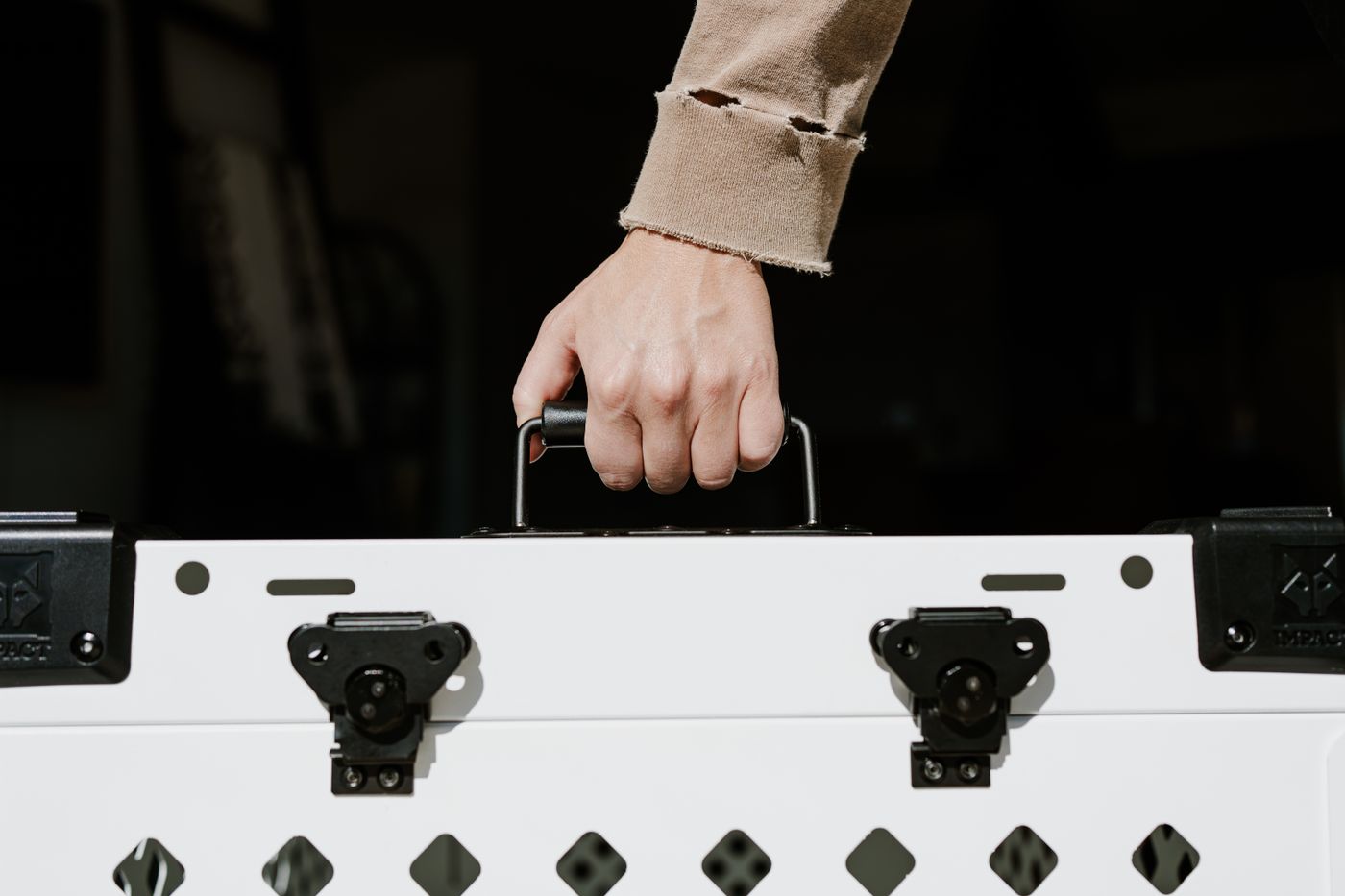
Travel can feel less disruptive when the pet’s normal essentials move with them. Pack the carrier or crate, walking gear, water, feeding supplies, cleanup items, and a familiar comfort item before the trip begins.
Small Pet Advice
Small-pet routines often revolve around habitat condition, food, water, cleanup, enrichment, and observation. Regular care makes the environment easier to manage and changes easier to notice.
Keep living areas clean, stable, and arranged so food, water, rest, and activity zones remain easy to access.
Use appropriately sized feeding and hydration products and keep the normal routine consistent enough to notice changes.
Introduce suitable activities and habitat features without changing the entire environment all at once.
Pay attention to normal activity, appetite, cleanup patterns, and behavior so persistent changes stand out.
When Everyday Advice Is Not Enough
General care tips are not a substitute for veterinary advice. If a pet has a sudden, severe, or persistent change in health, behavior, appetite, breathing, mobility, elimination, or comfort, contact a veterinarian or an appropriate emergency veterinary service.
Rapid changes in normal behavior, mobility, appetite, or comfort deserve closer attention.
If a problem continues or repeatedly returns, professional assessment may be appropriate.
Breathing difficulty, collapse, major injury, severe distress, poisoning concerns, or other emergencies require prompt veterinary care.
Diagnosis, treatment, medication, and condition-specific nutrition should come from qualified veterinary professionals.
Weekly Care Planner
Not every care task needs to happen every day. A light weekly rhythm can make cleaning, inspection, grooming, enrichment, and supply checks feel less like one large chore.
Look over walking or travel gear for visible wear.
Swap a few enrichment items to refresh interest.
Deep-clean bowls and the surrounding area.
Use a short care session suited to the pet.
Refresh bedding and tidy the quiet zone.
Plan an appropriate walk, play, or enrichment session.
Review food, treats, litter, cleanup, and care supplies.