
Build steady meal routines
Choose bowls, feeders, treats, and hydration tools that make daily feeding easier to repeat.
Pawvella Pet Care Library
Practical guidance for feeding, walking, rest, enrichment, grooming, travel, and everyday home life—organized around the routines that pets and their people repeat most.

Start with the Routine
Pet care becomes easier to navigate when the guidance is organized around what happens every day: feeding, movement, rest, play, grooming, and travel.
Choose bowls, feeders, treats, and hydration tools that make daily feeding easier to repeat.
Match collars, leashes, harnesses, and training gear to the pet, activity, and environment.
Beds, crates, scratchers, and furniture should give pets clear places to rest and retreat.
Grooming, enrichment, cleanup, and travel all work better when they become familiar routines.

Feeding Guide
Good feeding routines are less about complication and more about consistency. Choose products that are easy to clean, easy to place, and appropriate for the pet’s size and everyday habits.
Walking & Training Guide
Walking gear should help create a comfortable connection between the pet, the handler, and the environment. Fit, control, visibility, and routine all matter.

Harnesses and collars should sit securely without obvious pinching, slipping, or restricting movement.
Choose length and handling style based on the environment, training stage, and level of control needed.
Training becomes easier when the same equipment, rewards, and cues are used consistently.
After walks or training, provide water, a familiar resting area, and time to return to a calm baseline.
Cat Care Guide
Cats benefit from environments that offer more than one way to rest, observe, scratch, hide, eat, and play. A layered home gives the cat options without making the space feel chaotic.
Put scratchers where the cat naturally spends time rather than hiding them in unused corners.
Soft beds, elevated furniture, and familiar hiding places help create a sense of choice.
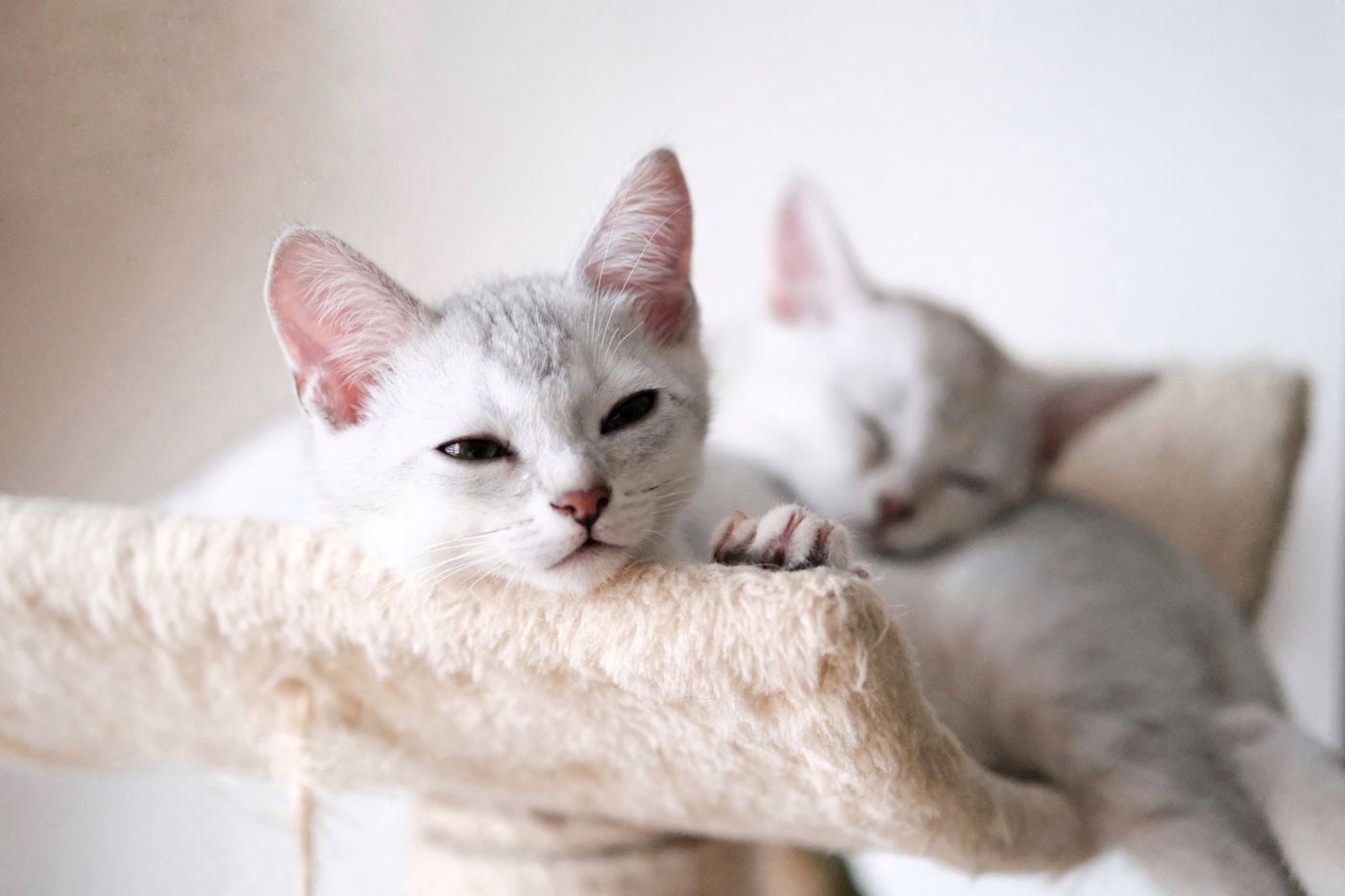
Use different toys and short play sessions to keep activity interesting without overwhelming the cat.
Place litter supplies where the cat has comfortable access and maintain the area consistently.
Home Comfort Guide
A calmer pet home is often a more organized one. Feeding, resting, scratching, play, cleanup, and training become easier when each routine has a consistent place and the products around it are simple to access.
Choose a bed or crate location where the pet can settle without constant traffic or disruption.
Store toys where short play sessions can happen naturally during the day.
Keep bowls, food, treats, and cleaning supplies organized around one repeatable setup.
Having brushes, wipes, and other supplies together can make care sessions shorter and calmer.

Grooming Guide
Grooming works best when the pet knows what to expect. Keep tools ready, work in short sessions, and make the routine calm enough to repeat rather than turning it into a once-in-a-while event.
Keep brushes, wipes, towels, and other supplies nearby before bringing the pet into the care area.
Shorter sessions can help reduce restlessness and make regular maintenance easier to continue.
Reward relaxed behavior and return the pet to a familiar resting space after the session.
Small Pet Essentials
Small-pet care is often built around habitat consistency, feeding, cleanup, handling, and enrichment. Keeping the basics organized makes it easier to notice when something in the routine changes.
Keep the primary living area clean, stable, and arranged so food, water, rest, and activity zones are easy to recognize.
Use appropriately sized feeding and hydration products that are easy to monitor and clean.
Rotate simple activities and habitat features to create interest without constantly changing the entire environment.
Regular routines make changes in appetite, activity, cleanup patterns, or behavior easier to notice.
Travel Guide
Travel feels more manageable when the pet carries some familiar structure with them. The right carrier, walking gear, hydration, feeding supplies, and comfort items can make transitions easier.

Build Your Own Care Library
Use these topics as a practical checklist for the parts of pet care you repeat most often. The goal is not perfection—it is a routine that stays understandable and easy to maintain.
Build repeatable mealtime, bowl-cleaning, treat, and water routines.
Review fit, control, leash handling, and post-walk recovery.
Layer scratching, height, rest, play, and litter access throughout the home.
Create clear, calm places for beds, crates, scratchers, and quiet time.
Turn brushing, cleaning, and coat care into shorter, more familiar sessions.
Prepare carriers, hydration, familiar items, and walking gear before the trip begins.
Pawvella Support
If you need help with a product, order, delivery, return, exchange, or any part of the shopping experience, Pawvella support is available 24 hours a day, 7 days a week.
Contact Pawvella